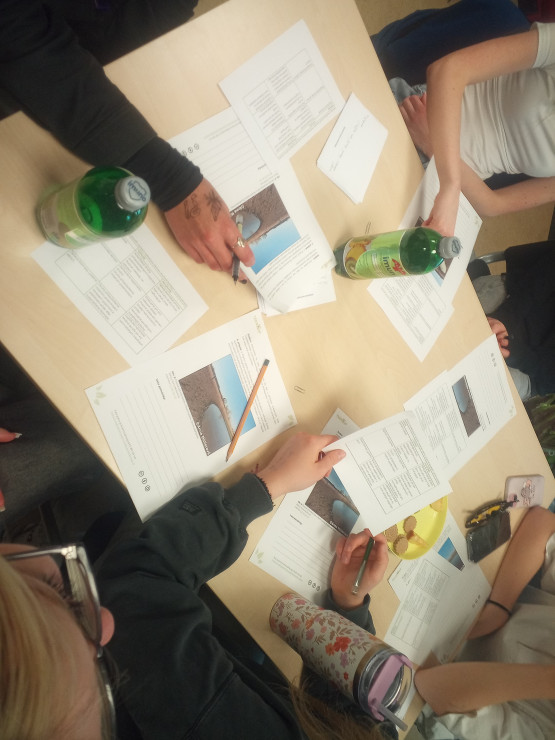
Last year marked a key milestone for the TEAM#UP project with the launch of the Digital Ecological Restoration Toolbox (DERTO), a platform bringing together educational materials on ecological restoration. But launching the platform was only the beginning. The real question was: how do these materials perform in the classroom?
As feedback began to come in, one point stood out clearly. While the Czech materials offered rich, hands-on activities (such as exercises and worksheets) teachers needed more guidance to confidently use them in practice. Without clear methodological support, even the most promising resources risked remaining underused.
This insight sparked a new phase of collaboration. Czech partners joined forces with external experts to refine and adapt the materials, with a clear goal: to make them intuitive, practical, and ready for real classroom environments.
The next step was to put them to the test.
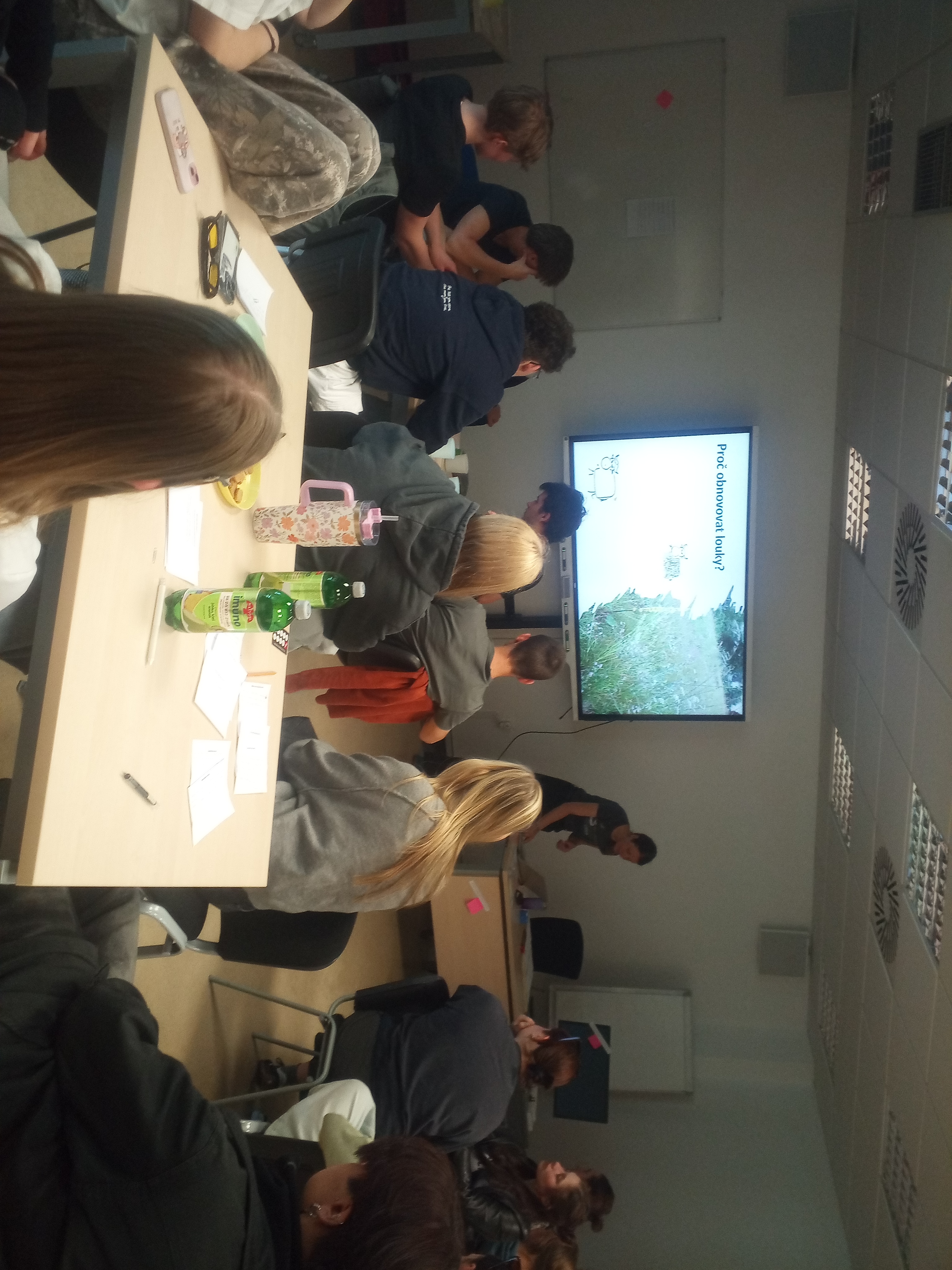
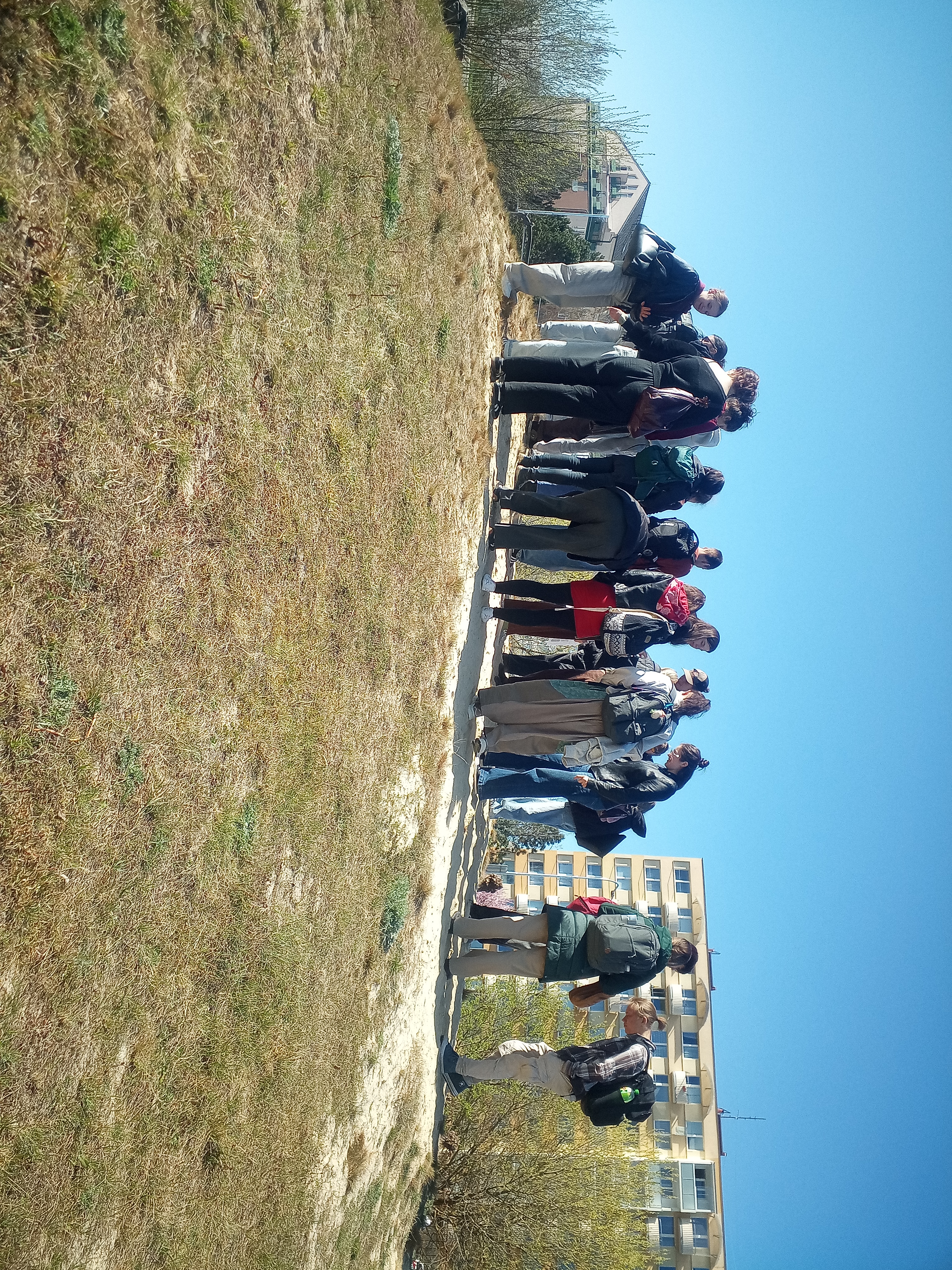
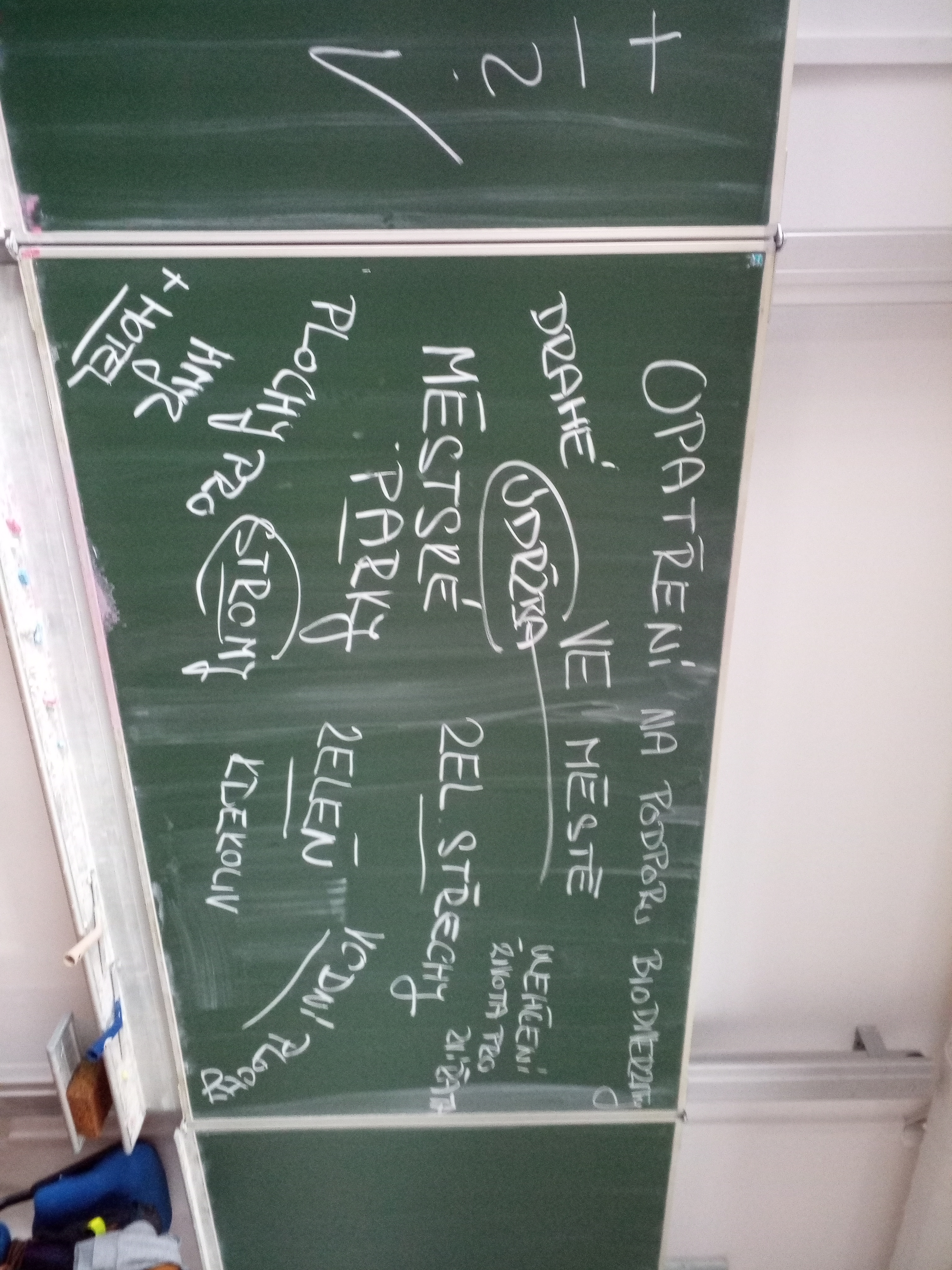
In partnership with the Waldorf Lyceum in České Budějovice, the revised lessons were brought directly into the classroom. Students and teachers engaged with the materials in two pilot sessions. The first explored how to support biodiversity in urban areas, introducing concepts such as cost-benefit analysis. The second shifted focus to the restoration of species-rich meadows, offering a deeper look into ecological methods and decision-making.
These were not just lessons, they were opportunities to observe, listen, and learn. How do students respond? What works well? Where do teachers need more support?
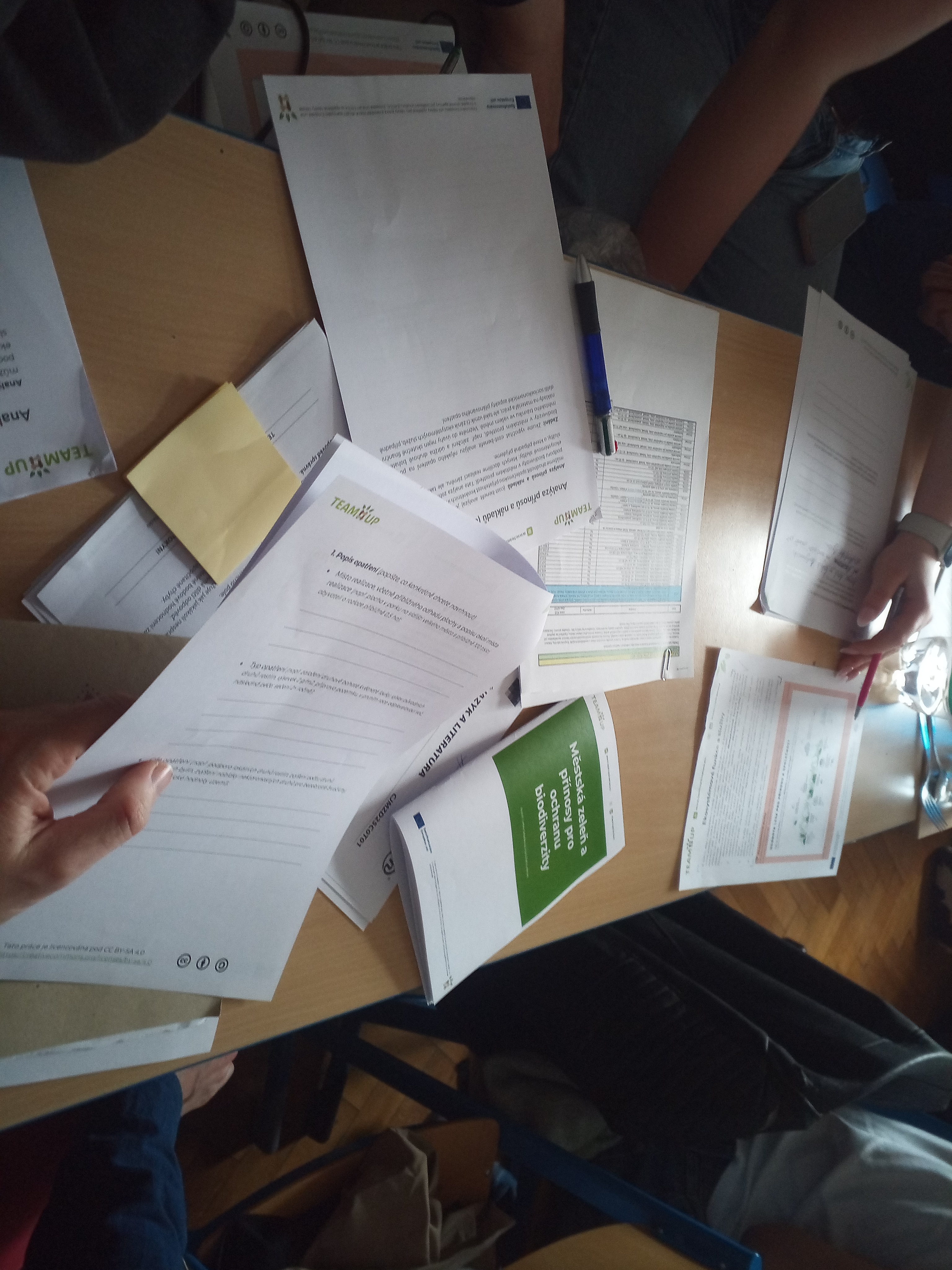
The experience provided exactly what was needed: honest, practical feedback. Insights gathered during these sessions are now helping to further strengthen the materials, ensuring they are not only scientifically sound but also accessible and adaptable to different classroom realities.
The journey doesn’t stop here. The same lessons will soon be implemented at a partner VET school in Benešov, as part of an advanced ecological restoration course, Greening Week, taking place in mid-June. This next phase will continue to test the materials in new contexts and with new audiences.
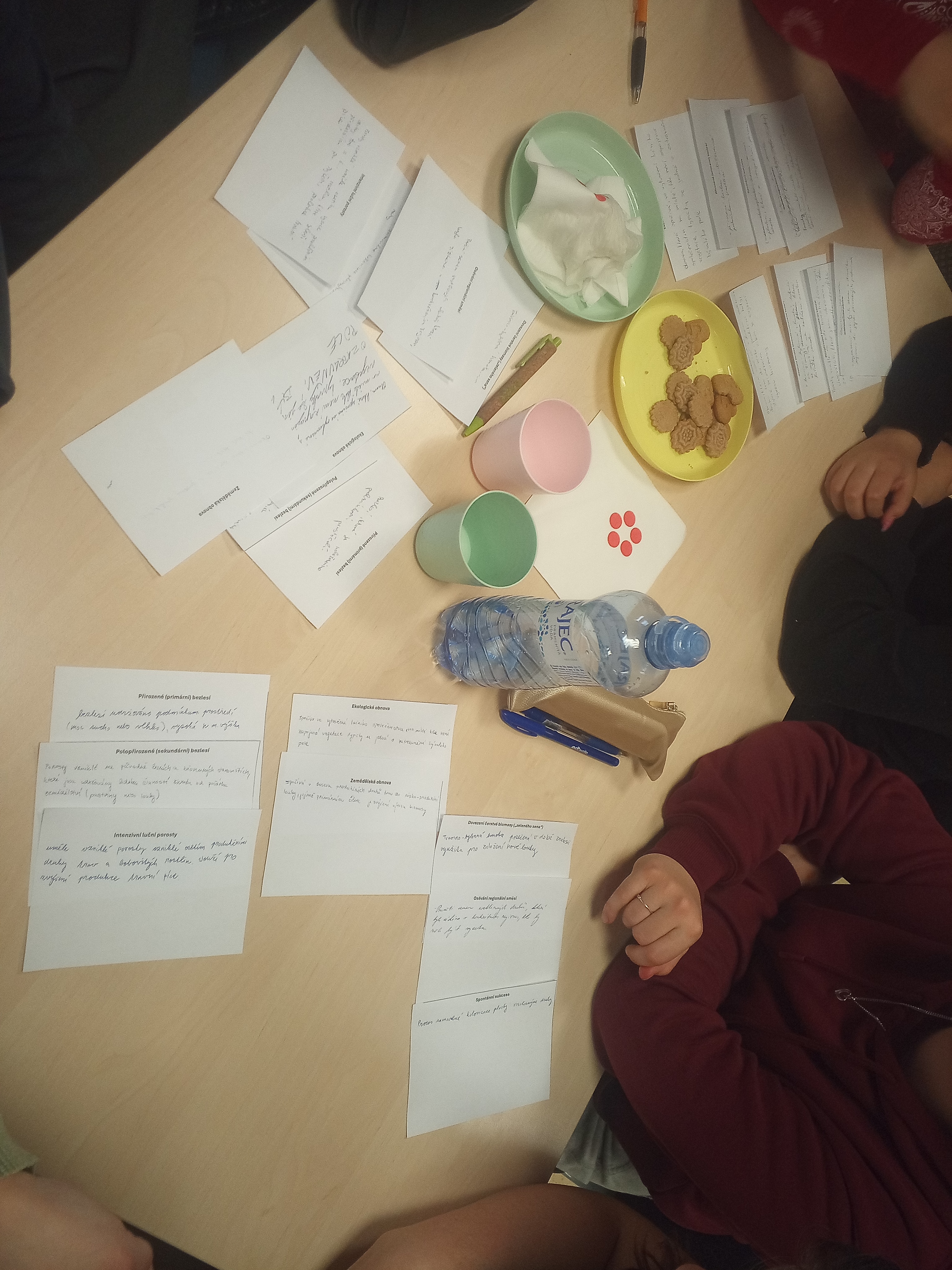
Ultimately, the goal is clear: to create teaching resources that teachers can pick up and use with confidence: flexible enough to adapt to different group sizes and time constraints, and robust enough to inspire meaningful learning about ecological restoration.
This progress would not have been possible without collaboration. We warmly thank Anna Šlechtová (Scout Institute), Eva Bínová (Waldorf Lyceum), and all the students who took part in the testing. Their openness, curiosity, and feedback have been essential in shaping these materials into something truly impactful.