Focus groups conducted in Spain, the Czech Republic, Norway, and Germany explored strategies for establishing permanent, multi-sector panels to continuously identify knowledge gaps and strengthen collaboration in ecological restoration.
Participants agreed on the importance of creating structures that are inclusive, interdisciplinary, and geographically representative, ensuring active involvement of practitioners, academics, public authorities, and private stakeholders. Clear governance, dedicated coordination of staff, and transparent decision-making were highlighted as key elements for sustainability. Financial resilience through diversified funding, including public grants, partnerships, and income-generating activities, was recognized as essential to maintain long-term operations.
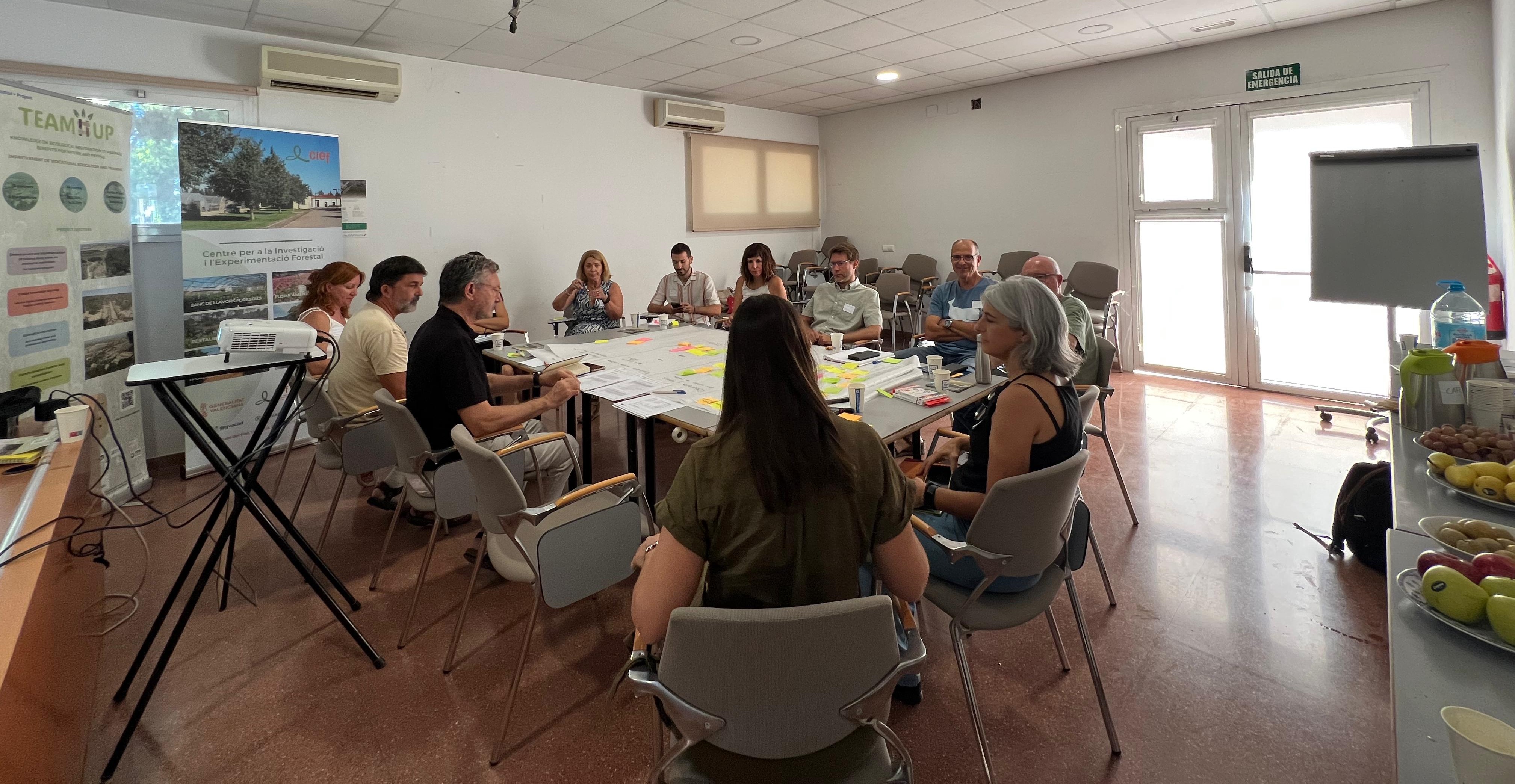
In Spain, discussions focused on the importance of building on existing networks and initiatives rather than creating new structures from scratch. Participants emphasized continuous dialogue between VET institutions, researchers, public authorities, and private companies, underlining that effective coordination and dedicated personnel are essential to keep the panel active and relevant over time.
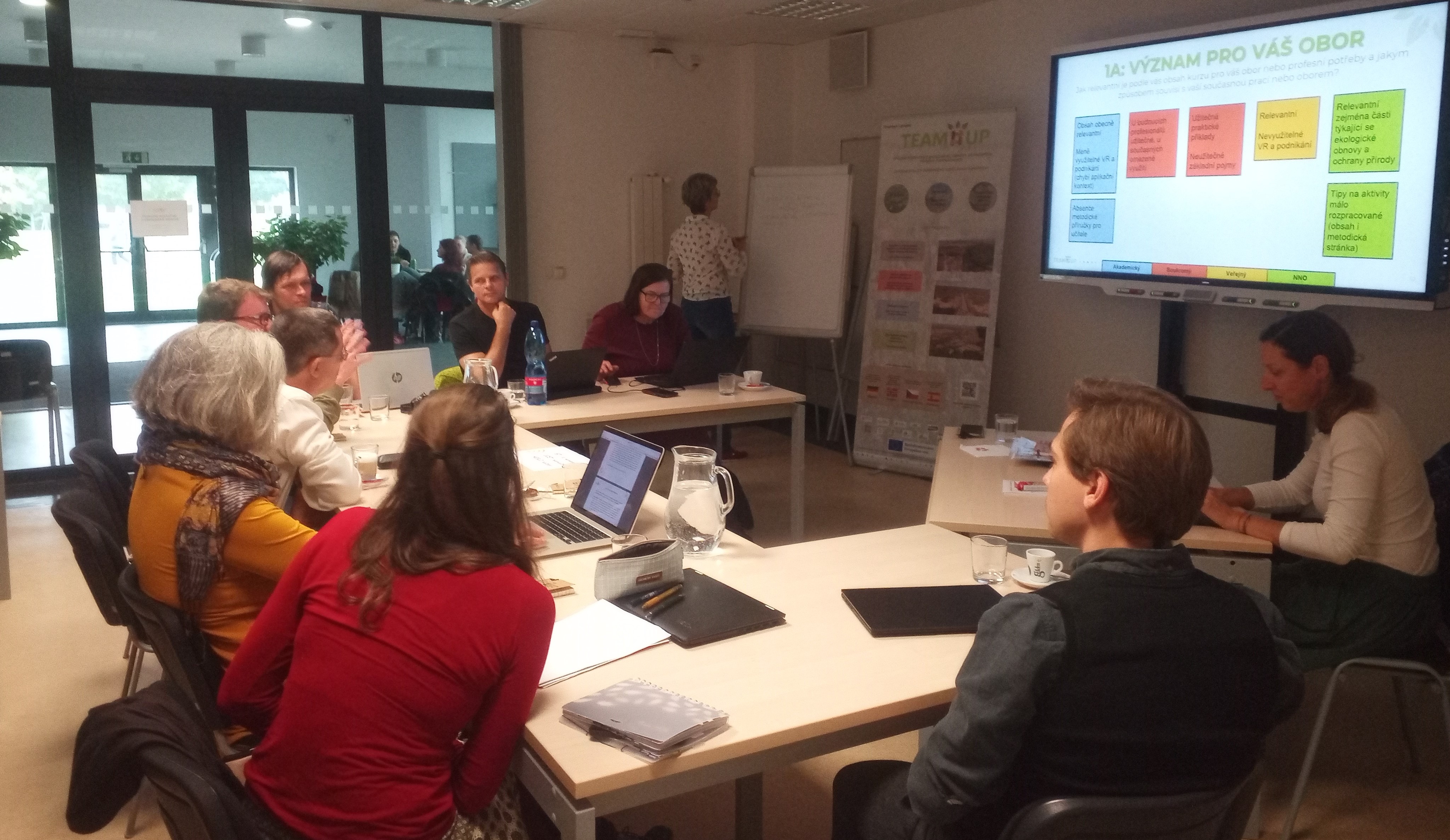
In the Czech Republic, the focus was on flexibility and efficiency. Participants proposed developing an informal, expandable network rooted in the existing focus group, supported by a small editorial or coordination team. Using established institutional frameworks was seen as a pragmatic way to ensure continuity while keeping administrative demands low.
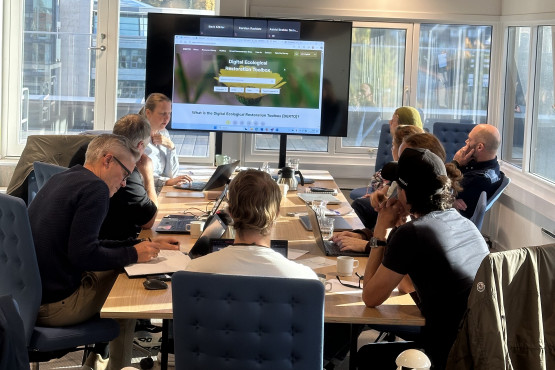
In Norway, participants strongly advocated for a permanent interdisciplinary meeting arena bringing together practitioners, contractors, municipal authorities, vocational schools, and research institutions. The discussions highlighted significant ecological knowledge gaps among some professional groups, particularly landscape architects, reinforcing the need for regular cross-sector exchange and applied learning.

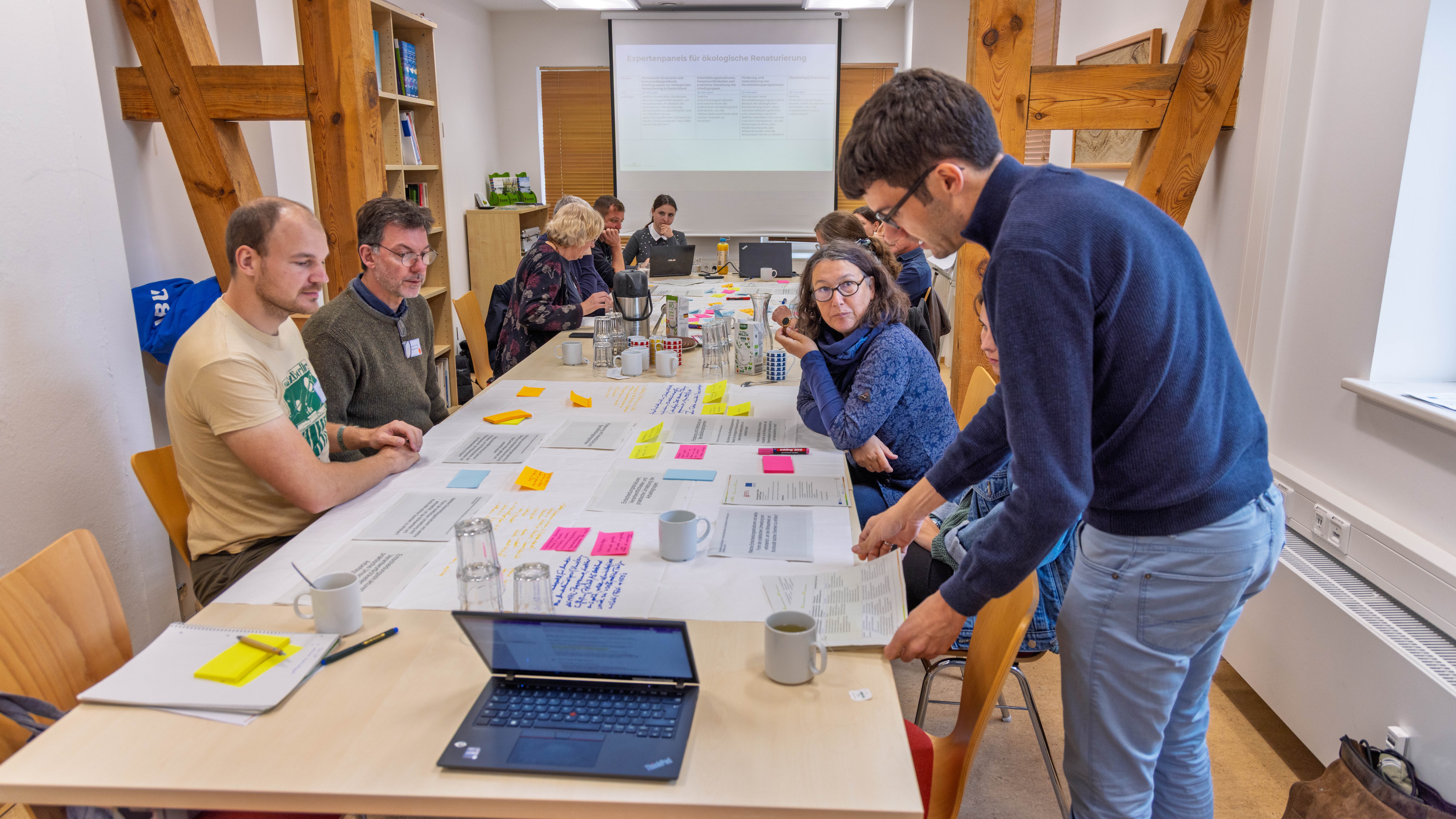
In Germany, the focus group recommended establishing a formal cross-sectoral advisory body with a strong representation of practitioners alongside academia and public administration. Transparent governance, participatory formats such as public workshops, and diversified funding models, including public-private partnerships, were identified as key elements to ensure long-term impact and independence.
Across all countries, the panels were envisioned as hubs for knowledge exchange, competency development, and collaborative decision-making, strengthening ecological restoration education and practice in the long term.
Ultimately, the focus groups made one message clear: restoring ecosystems is not only a technical challenge, but a collective one. By creating permanent, well-coordinated multi-sector panels, Europe can move beyond isolated projects and build lasting communities of practice, where knowledge is shared, skills evolve, and ecological restoration becomes a sustained, collaborative effort.
Thank you to Celia de Llanos for this article.