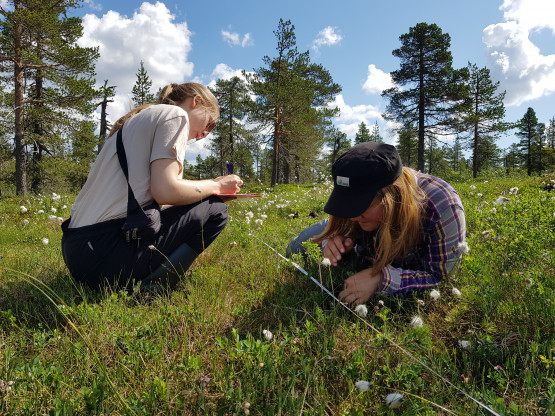
TEAM#UP partners are developing a series of online courses covering different ecosystem types. These courses will be gathered in the DERTO toolbox, making knowledge on nature restoration more accessible across Europe. Within this effort, The Norwegian Institute of Nature Research (NINA) is leading the development of a Massive Open Online Course (MOOC) dedicated to peatland restoration.
Peatlands, or mires, are diverse ecosystems with many ecosystem services. For example, they are among the most important ecosystems for climate regulation. Although they cover only a small fraction of the Earth’s land surface, they store a disproportionate amount of global soil carbon. When drained, they become significant sources of greenhouse gas emissions. Restoring these ecosystems is therefore a key nature-based solution to climate change. However, successful restoration requires both technical know-how and a solid understanding of ecological processes.
This is where the Peatland MOOC comes in.
“I hope the course will teach how to use ecological knowledge to decide what actions to take. Those who take the course may already have the technical skills to operate an excavator, but they need to develop the ability to “read the mire”. To see the connection between ecology and the measures they implement” Fia Bengtsson says.
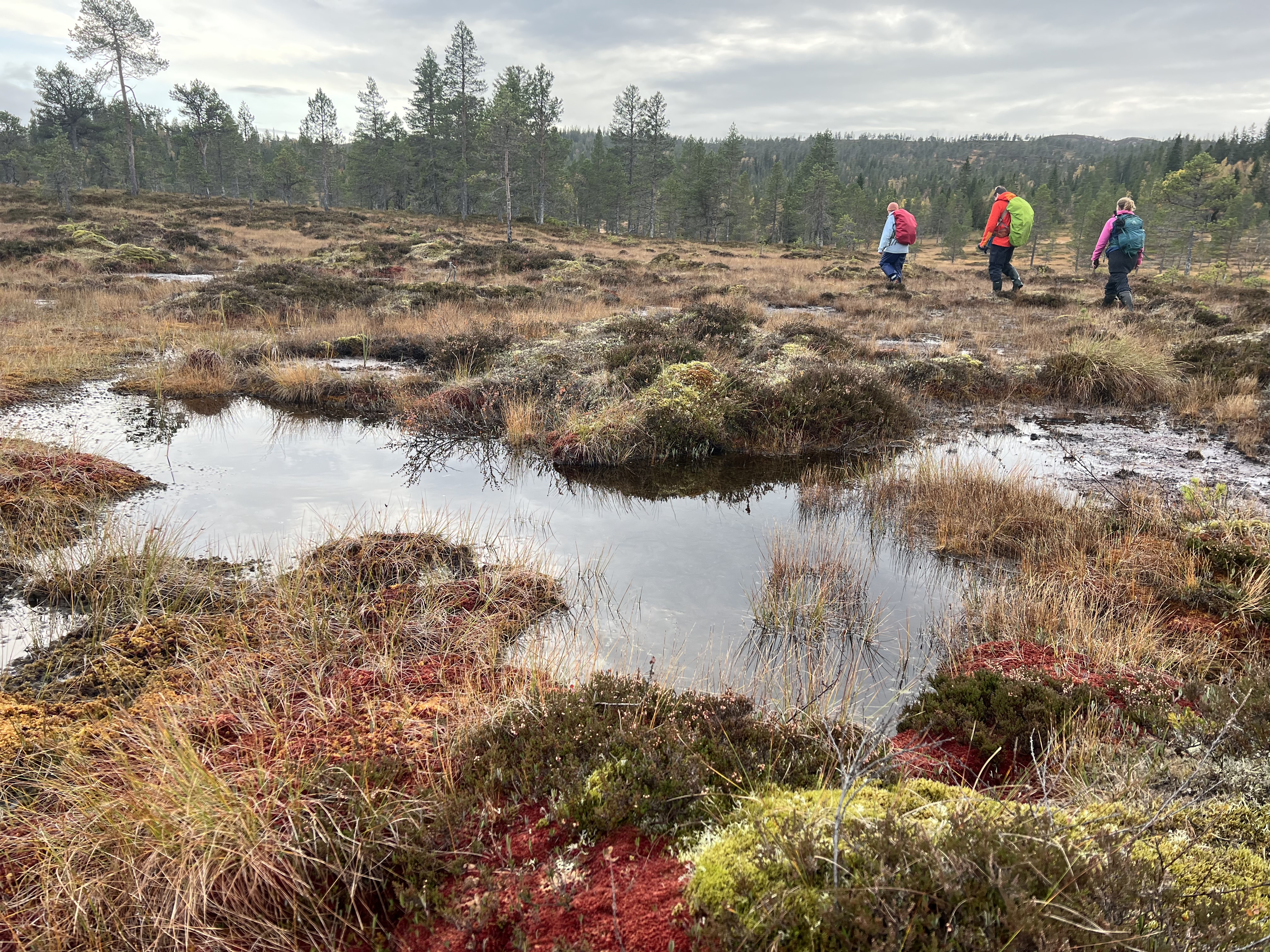
Bengtsson is a peatland researcher in NINA and is leading the development of the MOOC on peatland restoration.
The course is designed to bridge the gap between ecological theory and practical restoration work. By strengthening ecological understanding and learning about different methods that can be used when restoring peatlands, participants will be better equipped to make informed decisions in the field and adapt restoration strategies to local conditions. Understanding how peatlands function, how peat forms and is affected by drainage, and how species such as peatmosses shape these different ecosystems is essential for restoring them successfully.
The course is based around interviews, where Bengtsson talks to researchers, practitioners, and other key actors with extensive experience in peatland restoration. Through these conversations and case-based insights, learners will gain access to a wide range of perspectives, from ecological research to on-the-ground implementation.
“I’m so grateful to these experts who agreed to participate and share their knowledge with me. I learned a great deal, and I hope to pay it forward by giving others the opportunity to learn as well!”
Participants will be able to move through the content at their own pace, supported by visual material such as images and figures, and testing their understanding through quizzes.
Upon completion, learners will have the opportunity to receive a certification, supporting professional development in the growing field of ecosystem restoration.
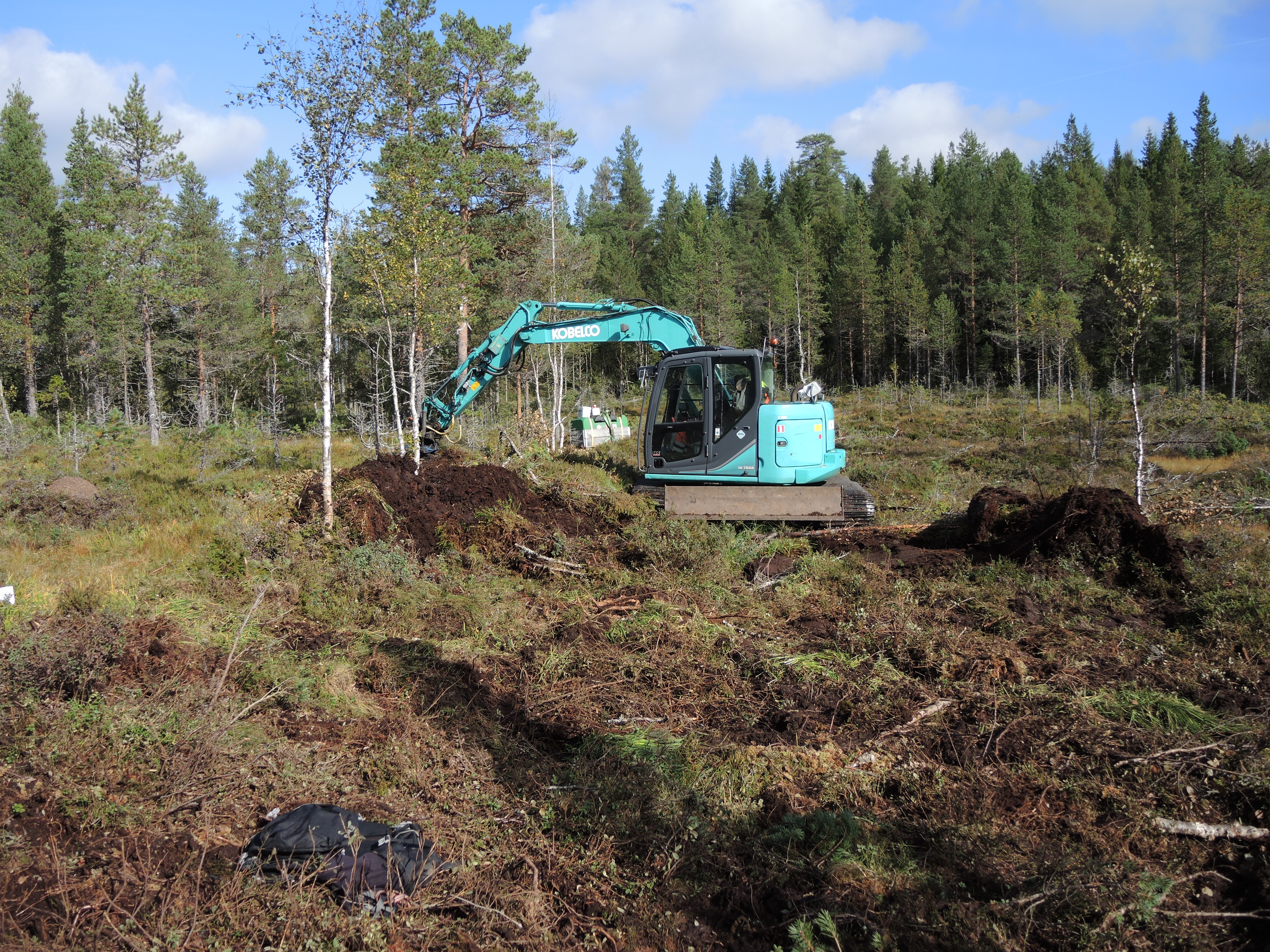
The Peatland MOOC aims to support a wide audience, from practitioners and planners to students and policymakers. By making knowledge more accessible and connecting theory with practice, the course contributes to more effective and informed peatland restoration across Europe.